How do you fit a whole life into 22.8 kilograms? This was my reality when I moved to France. It is the weight of a new beginning. As a Geologist of the Soul, I had to choose what truly matters.
I left the heavy stones of the past behind. I only packed the crystals of my future. Minimalism is not about having less. It is about making room for more spirit.
The Freedom of 22.8 Kilograms
Moving is a tectonic shift for the heart. We carry our stories in our bones, not just in bags. Packing light requires deep honesty. You learn to let go of the sediments of old pain.
Now, my world is light and open. My suitcase was small, but my dreams were heavy. Peace is found in traveling light.
22.8 Kilograma: Život u jednom koferu
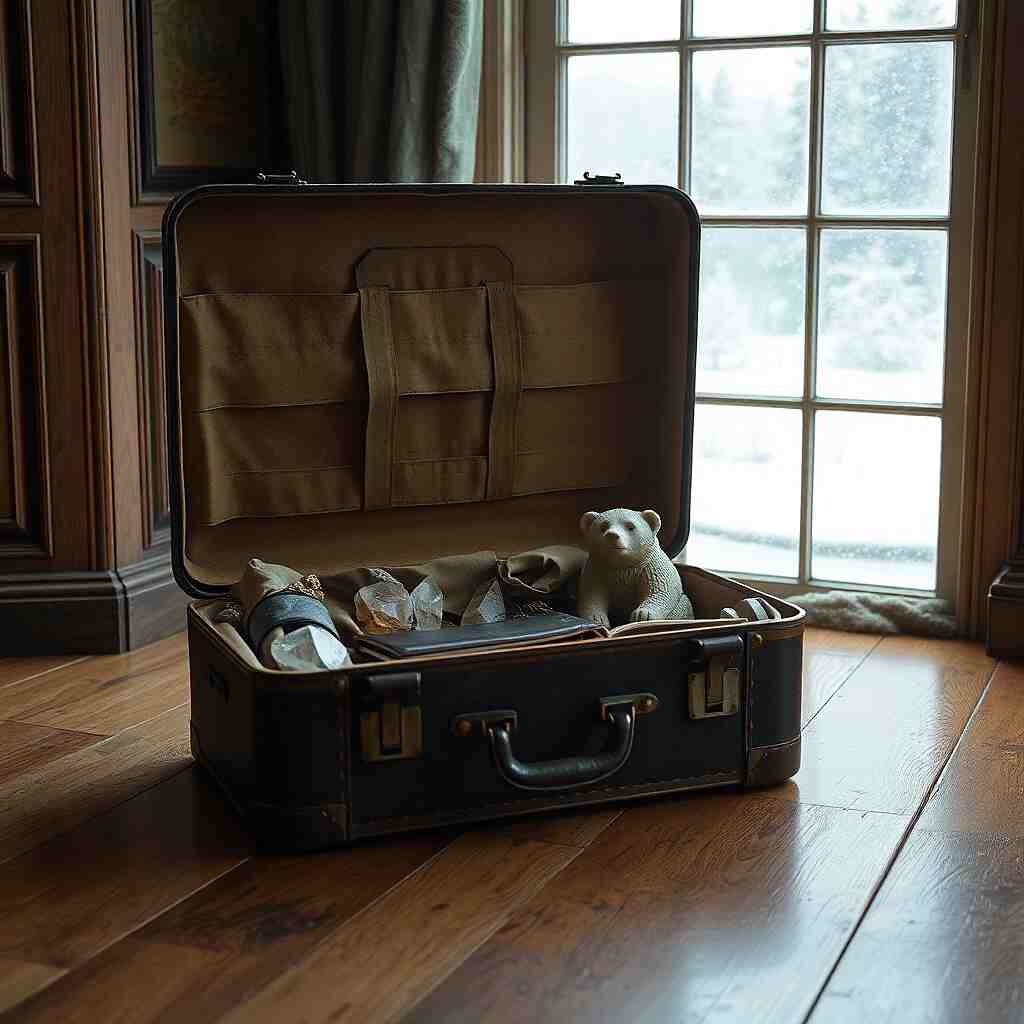
Standardna dozvoljena težina za međunarodnu prijavljenu prtljagu je dvadeset i tri kilograma. Za inženjera, to je samo broj, ograničenje u dizajnu, varijabla u logističkoj jednadžbi. Ali kada taj broj predstavlja zbroj petnaest godina života, postaje slomljiva težina. Stajala sam u svom malom stanu u Yellowknifeu, dok je arktički vjetar tresao prozorsko okno poput upornog duha, zureći u prazan, tvrdi kofer na podu. Izgledao je apsurdno malo, poput dječje igračke. Izgledao je nesposoban zadržati povijest žene koja je provela desetljeće i pol analizirajući jezgru zemlje.
Nisam ni na početku imala puno. Sjever nije mjesto za gomilanje. To je mjesto korisnosti, gdje sve što posjeduješ mora služiti svrsi ili će ga hladnoća odbaciti. Ipak, dok sam gledala po sobi, predmeti koje sam skupila počeli su se osjećati kao sidra, svaki me vukao natrag prema sigurnosti poznatog. Svaka lampa, svaka teška zavjesa dizajnirana da blokira ponoćno sunce, svaki kuhinjski pribor osjećao se kao nit koja me veže za verziju mene koja je već počela blijedjeti.
Prve su unutra ušle najnužnije stvari. Nekoliko komada visokokvalitetne Merino vune, one vrste koja može izdržati francusku zimu ili iznenadnu promjenu planinskog zraka. To nisu bili modni predmeti; to su bili slojevi za preživljavanje. Pakirala sam ih čvrsto, istiskujući zrak, maksimizirajući učinkovitost prostora. Bila je to navika koje se nisam mogla riješiti — potreba za optimizacijom. U rudniku, izgubljen prostor bio je opasnost za sigurnost. U ovom koferu, to je bio luksuz koji si nisam mogla priuštiti.
Onda su došle knjige. To je bila prva prava bitka. Moje su police bile pune tehničkih priručnika, nacrta rudnika dijamanata, geoloških istraživanja Kanadskog štita. Prelazila sam prstima preko njihovih hrptova. Predstavljale su moje obrazovanje, moju stručnost, sam izvor moje dvojezične kompetencije. One su bile moj identitet. Sjećala sam se noći provedenih proučavajući ih uz blijedo svjetlo stolne lampe dok je vani zavijao vjetar. Dio mene želio ih je spakirati sve, nositi svoje vjerodajnice sa sobom kao štit. Ali drugi glas, onaj novi, poetski glas koji je rastao u “kvaru” moje duše, šapnuo je: Nisi ono što znaš. Ti si ono što nosiš u srcu.
Ostavila sam ih. Sve. Ostavila sam priručnike o strukturalnom integritetu sljedećem stanaru. Umjesto njih, spakirala sam tri pohabane knjige u mekom uvezu: knjigu poezije koju sam čitala svake noći godinu dana, roman o ženi koja ostavlja sve kako bi putovala svijetom, i vlastitu zbirku od 170 priča, svezanu u jednostavan registrator. Samo taj registrator težio je jedan kilogram, ali bio je najlakša stvar u sobi jer je sadržavao moju budućnost umjesto moje prošlosti.
Sljedećih sat vremena bilo je brutalna vježba odvezivanja. Podigla sam malog izrezbarenog medvjeda od steatita — poklon kolege. Zadrži. Podigla sam komad lažnog zlata — pirita — koji mi je davno poklonilo jedno dijete. Baci. Moje teške planinarske čizme, one koje su hodale po ledenjacima, bile su problem. Preteške za pakiranje. Obuj ih. Obut ću ih u avion, smiješan, glomazan podsjetnik na svijet koji ostavljam, izgledajući neuklopljeno u sterilnim, tepihom prekrivenim hodnicima međunarodnog aerodroma.
Pogledala sam svoju kolekciju kamenja. Nisu to bili industrijski dijamanti koji su mi kupili mirovinu, već nesavršeni, sirovi kristali koje sam čuvala jer su bili lijepi, jer su preživjeli nezamisliv pritisak a da nisu izgubili dušu. Izabrala sam tri. Jedan opsidijanski crn, jedan proziran kao suza i jedan duboko, modričasto ljubičast. Zamotala sam ih u svileni šal — rijedak ženski dodir u životu kojim dominiraju traper i čelik — i smjestila ih u središte kofera, kao jezgru oko koje će se izgraditi moj novi život.
Sa svakim predmetom koji sam dodala, osjetila sam fizičko rasterećenje. Skidala sam slojeve karijere koju više nisam željela, identiteta koji mi više nije pristajao. Prestajala sam biti inženjer, a u tom neuspjehu, pronalazila sam hrabrost da budem pisac. Stan je postajao jeka. Bez mojih knjiga i moje opreme, postajala sam duh u vlastitom domu, putnik koji je već na pola puta preko oceana.
Posljednja stvar koja je ušla bila je bilježnica — ona u kožnom uvezu koja je čuvala moju najnoviju poeziju. Stavila sam je na vrh odjeće. To je bilo moje obećanje samoj sebi, ugovor potpisan u mraku da neću dopustiti da me tišina Sjevera proguta. Zatvorila sam poklopac i povukla patentni zatvarač. Podigla sam kofer na kupaonsku vagu. Digitalni brojevi su zatreperili, a zatim se zaustavili na 22.8 kilograma.
Uspjela sam. S 0.2 kilograma viška. Ta mala margina osjećala se kao pobjeda. Bio je to tampon zraka, mali prostor za nepoznato.
Čizme na mojim nogama bile su teške, ali moje srce bilo je bez težine.
Bila sam Magma Star. Bila sam putnik koji je naučio da je najvažnija stvar koju nosiš u koferu onaj dio tebe koji odbija biti pritisnut očekivanjima drugih.
Ostavljala sam zemlju iza sebe kako bih pronašla nebo.
Bila sam Magma Star. Bila sam putnik koji je naučio da je najvažnija stvar koju nosiš u koferu onaj dio tebe koji odbija biti pritisnut očekivanjima drugih.
Ostavljala sam zemlju iza sebe kako bih pronašla nebo.
22,8 Kilogrammes : Une vie dans une valise
La franchise standard pour un bagage enregistré à l’international est de vingt-trois kilogrammes. Pour un ingénieur, c’est juste un chiffre, une contrainte, une variable dans une équation logistique. Mais quand ce chiffre représente la somme de quinze années de vie, il devient un poids écrasant. Je me tenais dans mon petit appartement à Yellowknife, tandis que le vent arctique faisait trembler la vitre comme un fantôme persistant, fixant la valise vide à coque dure sur le sol. Elle paraissait absurdement petite. Incapable de contenir l’histoire d’une femme qui avait passé une décennie et demie à analyser le noyau de la terre.
Je n’avais pas grand-chose au départ. Le Nord n’est pas un endroit pour l’accumulation. C’est un lieu d’utilité, où tout ce que vous possédez doit servir un but ou être rejeté par le froid. Pourtant, en regardant autour de moi, les objets que j’avais rassemblés commençaient à ressembler à des ancres. Chaque lampe, chaque lourd rideau conçu pour bloquer le soleil de minuit, ressemblait à un fil me reliant à une version de moi-même qui commençait déjà à s’estomper.
Les premières choses à y entrer furent les essentiels. Quelques pièces de laine mérinos de haute qualité. Ce n’étaient pas des articles de mode ; c’étaient des couches de survie. Je les ai emballées serrées, maximisant l’efficacité de l’espace. C’était une habitude dont je ne pouvais me défaire — le besoin d’optimiser. Dans la mine, l’espace perdu était un risque pour la sécurité. Dans cette valise, c’était un luxe que je ne pouvais pas me permettre.
Puis vinrent les livres. Ce fut la première vraie bataille. Mes étagères étaient bordées de manuels techniques, de plans de mines de diamants. Ils représentaient mon éducation, mon expertise. Ils étaient mon identité. Une partie de moi voulait tous les emballer, porter mes diplômes comme un bouclier. Mais une autre voix, la nouvelle voix poétique qui grandissait dans le “bug” de mon âme, a murmuré : Tu n’es pas ce que tu sais. Tu es ce que tu portes dans ton cœur.
Je les ai laissés. Tous. À leur place, j’ai emballé trois livres de poche abîmés : un livre de poésie, un roman sur une femme qui laisse tout derrière elle pour voyager, et ma propre collection de 170 histoires, reliée dans un simple classeur. Ce classeur seul pesait un kilogramme, mais c’était la chose la plus légère de la pièce car il contenait mon avenir au lieu de mon passé.
L’heure suivante fut un exercice brutal de détachement. J’ai ramassé un petit ours sculpté en stéatite. Garder. Un morceau de pyrite donné par un enfant. Jeter. Mes lourdes chaussures de randonnée, celles qui avaient marché sur les glaciers, étaient un problème. Trop lourdes. Les porter. Je les porterais dans l’avion, un rappel encombrant et ridicule du monde que je quittais.
J’ai regardé ma collection de pierres. Pas les diamants industriels qui ont payé ma retraite, mais les cristaux bruts et imparfaits. J’en ai choisi trois. Un noir obsidienne, un clair comme une larme, et un violet profond. Je les ai enveloppés dans un foulard en soie et placés au centre de la valise, le noyau autour duquel ma nouvelle vie serait construite.
Avec chaque article que j’ajoutais, je ressentais une sensation physique d’allègement. Je me débarrassais des couches d’une carrière dont je ne voulais plus. Sans mes livres et mon équipement, les pièces semblaient plus grandes. Je devenais un fantôme dans ma propre maison, un voyageur déjà à mi-chemin de l’océan.
La dernière chose à y entrer fut le carnet — celui relié en cuir qui contenait ma poésie la plus récente. C’était ma promesse à moi-même que je ne laisserais pas le silence du Nord me consumer. J’ai fermé le couvercle et engagé la fermeture éclair. J’ai soulevé la valise sur la balance de la salle de bain. Les chiffres numériques ont clignoté, puis se sont stabilisés sur 22,8 kilogrammes.
J’avais réussi. Avec 0,2 kilogramme de marge. Cette petite marge ressemblait à une victoire. C’était une bulle d’air, un petit espace pour l’inconnu.
Les bottes à mes pieds étaient lourdes, mais mon cœur était en apesanteur.
J’étais Magma Star. J’étais la voyageuse qui avait appris que la chose la plus importante à porter dans sa valise est la partie de soi qui refuse d’être alourdie par les attentes des autres.
Je laissais la terre derrière moi pour trouver le ciel.
J’étais Magma Star. J’étais la voyageuse qui avait appris que la chose la plus importante à porter dans sa valise est la partie de soi qui refuse d’être alourdie par les attentes des autres.
Je laissais la terre derrière moi pour trouver le ciel.
22.8 Kilograms: A Life in a Suitcase
The standard allowance for an international checked bag is twenty-three kilograms. Fifty pounds. To an engineer, it’s just a number, a constraint on a design, a variable in a logistical equation. But when that number represents the sum of fifteen years of living, it becomes a crushing weight. I stood in my small apartment in Yellowknife, the Arctic wind rattling the windowpane like a persistent ghost, staring at the empty, hard-shell suitcase on the floor. It looked absurdly small. It looked incapable of holding the history of a woman who had spent a decade and a half analyzing the core of the earth.
I didn’t have much to begin with. The North is not a place for accumulation. It is a place of utility, where everything you own must serve a purpose or be discarded by the cold. Yet, as I looked around my room, the objects I had gathered began to feel like anchors, each one pulling me back toward the safety of the known. Every lamp, every heavy curtain designed to block out the midnight sun, felt like a thread tying me to a version of myself that was already starting to fade.
The first things to go in were the essentials. A few pieces of high-quality Merino wool. These were not items of fashion; they were layers of survival. I packed them tightly, squeezing the air out, maximizing the efficiency of the space. It was a habit I couldn’t break—the need to optimize. In the mine, wasted space was a safety hazard. In this suitcase, it was a luxury I couldn’t afford.
Then came the books. This was the first true battle. My shelves were lined with technical manuals, blueprints of diamond mines. They represented my education, my expertise. They were my identity. A part of me wanted to pack them all, to carry my credentials with me like a shield. But another voice, the new, poetic voice that had been growing in the “glitch” of my soul, whispered: You are not what you know. You are what you carry in your heart.
I left them. All of them. In their place, I packed three battered paperbacks: a book of poetry, a novel about a woman who leaves everything to travel the world, and my own collection of 170 stories, compiled and bound in a simple binder. That binder alone weighed a kilogram, but it was the lightest thing in the room because it contained my future instead of my past.
The next hour was a brutal exercise in detachment. I picked up a small carved bear made of soapstone. Keep. A piece of fool’s gold given to me by a child. Discard. My heavy-duty hiking boots, the ones that had walked over glaciers, were a problem. Too heavy to pack. Wear. I would wear them onto the plane, a ridiculous, cumbersome reminder of the world I was leaving.
I looked at my collection of stones. Not the industrial diamonds that bought my pension, but the imperfect, raw crystals I had kept because they had survived unimaginable pressure without losing their soul. I chose three. One obsidian black, one clear as a tear, and one deep purple. I wrapped them in a silk scarf and placed them in the center of the suitcase, the core around which my new life would be built.
With every item I added, I felt a physical sensation of unburdening. I was stripping away the layers of a career I no longer wanted. Without my books and gear, the rooms seemed larger and stranger. I was becoming a ghost in my own home, a traveler already halfway across the ocean.
The last thing to go in was the notebook—the leather-bound one that held my most recent poetry. It was my promise to myself that I would not let the silence of the North consume me. I closed the lid and engaged the zipper. I lifted it onto the bathroom scale. The digital numbers flickered, then settled on 22.8 kilograms.
I had made it. With 0.2 kilograms to spare. That tiny margin felt like a victory. It was a buffer of air, a small space for the unknown.
The boots on my feet were heavy, but my heart was weightless.
I was Magma Star. I was the traveler who had learned that the most important thing to carry in your suitcase is the part of you that refuses to be weighed down by the expectations of others.
I was leaving the earth behind to find the sky.
I was Magma Star. I was the traveler who had learned that the most important thing to carry in your suitcase is the part of you that refuses to be weighed down by the expectations of others.
I was leaving the earth behind to find the sky.