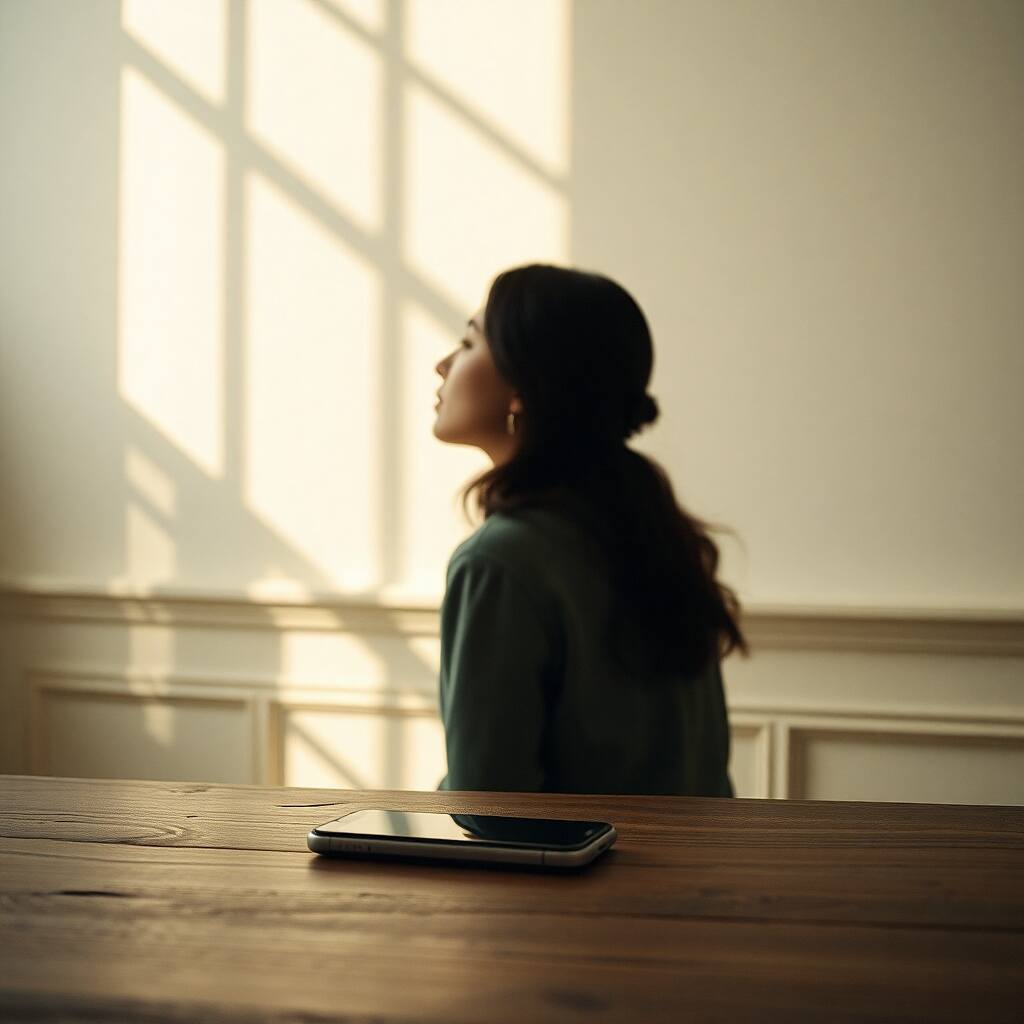
The Myth of Laziness is a heavy weight that many of us carry from our childhood. We were taught that our value is tied to our productivity, but as a soul geologist, I see things differently. Just as the earth needs seasons of stillness to regenerate its minerals, our spirits need moments of total inactivity. The Myth of Laziness tries to make us feel guilty for simply being, but rest is actually a sacred act of preservation. It is the silence between the notes that makes the music beautiful.
In our modern world, we are constantly bombarded by technology and the pressure to be “always on.” This is why I advocate for a digital detox. When we put down our phones and step away from the noise, we allow the sediment of our thoughts to settle. We can finally see the clarity of our own Malachite Peace. In my 60s, I have realized that my best ideas and my deepest healing don’t come from working harder, but from the moments when I allow myself to do absolutely nothing.
Do not let the world convince you that your rest is a waste of time. Your soul is not a machine; it is a landscape that needs sunlight, rain, and quiet periods of growth. If you feel tired today, honor that feeling. Embrace the stillness and realize that by doing “nothing,” you are actually doing everything for your mental and spiritual health. You are reclaiming your time and your life from a culture that values speed over depth.
Mit o lijenosti: Zašto nas plaši tišina bez ekrana?
Danas je grijeh nemati plan. Ako ne radiš, moraš se odmarati. Ako se ne odmaraš, moraš meditirati. Ako ne meditiraš, barem “skrolaj”. Postali smo društvo koje se boji praznog hoda, a svaki trenutak bez podražaja doživljavamo kao izgubljenu bitku. No, što se zapravo krije iza te potrebe da stalno budemo “uključeni”?
Granica koju smo zaboravili: Umor ili otpor?
Postoji ogromna razlika između odmora i lijenosti, iako ih često trpamo u isti koš. Za mene je rad svetinja – posao je na prvom mjestu. Kad odradiš svoje, onaj trenutak kad baciš “sve četiri u zrak” nije lijenost; to je zaslužena nagrada, rekuperacija ratnika nakon bitke.
Prava lijenost je nešto sasvim drugo. To je onaj težak, ljepljiv osjećaj kad ti je dosadno što si se uopće probudio. Kad nemaš volje za ništa, pa ležiš jer ti se ne da suočiti s danom. No, tu moramo biti brutalno iskreni prema sebi: je li to doista manjak volje ili tihi krik tijela? Često ono što nazivamo lijenošću zapravo nije nerad, već otpor tijela prema planu koji mu se nameće. To je onaj trenutak kad psiha kaže “ne može više”, kad se podigne zid protiv pritiska okoline. Možda to nije lijenost, nego instinkt preživljavanja u svijetu koji nikad ne spava.
Lekcije iz djetinjstva: Od krpe do filozofije sna
Svi se sjećamo onog dječjeg „Maaaama, meni je dosadno!“. U mom djetinjstvu, to je bila opasna rečenica, gotovo provokacija. Izgovoriti to pred mamom značilo je samo jedno: instantnu radnu akciju. „Dosadno ti je? Odlično, evo ti krpa pa briši prašinu po cijeloj kući, a poslije složi ormar.“ Dosada je bila luksuz koji se plaćao radom, pa smo brzo naučili mudrost šutnje.
S tatom je to bio sasvim drugi svemir. „Tatiiiice, ne znam što bih radila, doooosadno mi je“, rekla bih mu dok bi on u miru sjedio. Njegov odgovor je bio kratak i legendaran: „Pa idi spavati“. Naravno, spavanje je u tim godinama (između 12 i 15) zvučalo kao kazna, pa bih ja tvrdoglavo odgovarala „Neeeću!“.
Danas, s odmakom, shvaćam da je ta dosada bila naš jedini pravi slobodni prostor. Bio je to vakuum između škole i igre u kojem se rađala mašta. Nismo imali kamo pobjeći, pa smo morali izmisliti svjetove. Danas bi to dragocjeno vrijeme usisao prvi dostupni ekran. Dosada je tada bila prazna soba s otvorenim prozorom; danas je to soba s blindiranim vratima i Wi-Fi signalom.
Strah od zida i digitalna anestezija
Zašto se danas osjećamo krivima ako 20 minuta samo gledamo u zid? Ako ne držimo laptop ili mobitel, postajemo sumnjivi okolini. Čim spustiš ekran, ukućani se brinu: „Što ti je? Jesi li tužna? Boli li te nešto?“ Kao da je gledanje u prazno postalo simptom bolesti, a ne znak unutarnjeg procesiranja.
Čak i kad tražimo mir, tražimo ga preko ekrana. Meditiramo uz YouTube, opuštamo se uz playliste, tražimo relaksaciju u digitalnom svijetu. Ekran je postao naš zid, naš mir i naša buka istovremeno. Izgubili smo sposobnost da budemo sami sa svojim mislima bez “pozadinske buke”.
Tjedan dana “beskorisnosti”
Da sutra dobijem dozvolu da tjedan dana budem potpuno beskorisna, priznajem – ekran bi bio moj prvi izbor. Vrijeme uz njega prolazi nevjerojatno brzo, on je savršena anestezija za stvarnost. No, tu leži i najveći test. Što ako nema struje? Što ako nema signala?
Tek tada bismo se vratili onome što smo potisnuli. Bez ekrana, bila bih prisiljena hodati, gledati ljude u oči, razgovarati bez tipkanja. Možda bih čak i spavala – baš onako kako je tata predlagao. Možda nam ne treba više produktivnosti ni boljih aplikacija. Možda nam treba samo malo više hrabrosti da budemo “beskorisni” i da gledamo u zid, a da se nikome, pa ni sebi, zbog toga ne opravdavamo.
Podijeli ovu priču s nekim kome treba malo “hrabre beskorisnosti”.
Le mythe de la paresse : Pourquoi le silence sans écran nous fait-il peur ?
Aujourd’hui, c’est un péché de ne pas avoir de plan. Si on ne travaille pas, on doit se reposer. Si on ne se repose pas, on doit méditer. Si on ne médite pas, au moins on “scrolle”. Nous sommes devenus une société qui a peur du temps libre, et chaque instant sans stimulation est perçu comme une bataille perdue. Mais que cache réellement ce besoin d’être constamment “connecté” ?
La frontière oubliée : Fatigue ou résistance ?
Il y a une énorme différence entre le repos et la paresse, bien que nous les mettions souvent dans le même sac. Pour moi, le travail est sacré. Quand on a fait sa part, ce moment où on s’allonge n’est pas de la paresse ; c’est une récompense bien méritée, la récupération du guerrier après la bataille.
La vraie paresse, c’est autre chose. C’est ce sentiment lourd et collant où l’on s’ennuie d’être même réveillé. Mais soyons honnêtes : est-ce vraiment un manque de volonté ou le cri silencieux du corps ? Souvent, ce que nous appelons paresse n’est pas de l’inactivité, mais la résistance du corps au plan qu’on lui impose. C’est l’instinct de survie dans un monde qui ne dort jamais.
Leçons d’enfance : Du chiffon à la philosophie du sommeil
Nous nous souvenons tous de ce cri d’enfant : « Maman, je m’ennuie ! ». Dans mon enfance, c’était une phrase dangereuse. Prononcer cela devant maman signifiait une chose : une corvée de nettoyage immédiate. L’ennui était un luxe qui se payait par le travail, alors nous avons vite appris la sagesse du silence.
Avec papa, c’était un autre univers. Quand je lui disais que je m’ennuyais, sa réponse était courte et légendaire : « Alors va dormir ». À 12 ans, cela sonnait comme une punition, et je répondais obstinément : « Non ! ».
Aujourd’hui, je réalise que cet ennui était notre seul véritable espace de liberté. C’était un vide où naissait l’imagination. Aujourd’hui, ce temps précieux serait absorbé par le premier écran disponible. L’ennui était alors une pièce vide avec une fenêtre ouverte ; aujourd’hui, c’est une pièce blindée avec un signal Wi-Fi.
Peur du mur et anesthésie numérique
Pourquoi nous sentons-nous coupables aujourd’hui si nous passons 20 minutes à regarder un mur ? Si nous n’avons pas d’ordinateur ou de téléphone, nous devenons suspects. Dès que vous baissez l’écran, votre famille s’inquiète : « Qu’est-ce qui ne va pas ? Es-tu triste ? » Comme si regarder dans le vide était devenu le symptôme d’une maladie.
Et s’il n’y avait pas d’électricité ? Sans écrans, je serais forcée de marcher, de regarder les gens dans les yeux. Je dormirais peut-être même – comme papa le suggérait. Peut-être que nous n’avons pas besoin de plus de productivité. Peut-être avons-nous juste besoin d’un peu plus de courage pour être “inutiles” et regarder un mur sans avoir à nous en excuser.
The Myth of Laziness: Why Does Silence Without a Screen Scare Us?
Today, it is a sin not to have a plan. If you are not working, you must be resting. If you are not resting, you must be meditating. If you are not meditating, at least you are scrolling. We have become a society that fears idle time, experiencing every moment without stimulation as a lost battle. But what really hides behind this need to constantly be “on”?
The forgotten boundary: Exhaustion or resistance?
There is a huge difference between rest and laziness, although we often lump them together. For me, work is sacred. When you have done your part, that moment when you throw your feet up is not laziness; it is a well-deserved reward, the recuperation of a warrior after a battle.
True laziness is something else entirely. It is that heavy, sticky feeling when you are bored that you even woke up. But we must be brutally honest with ourselves: is this truly a lack of will, or the silent cry of the body? Often, what we call laziness is not inaction, but the body’s resistance to the plan imposed upon it. It is the survival instinct in a world that never sleeps.
Childhood lessons: From the dusting cloth to the philosophy of sleep
We all remember that childhood cry: “Mooom, I’m bored!”. In my childhood, that was a dangerous sentence. Saying that in front of my mom meant only one thing: instant chores. “Bored? Great, here’s a cloth, go dust the whole house.” Boredom was a luxury paid for with labor, so we quickly learned the wisdom of silence.
With my dad, it was a completely different universe. “Daddyyy, I don’t know what to do, I’m booored,” I would tell him while he sat in peace. His answer was short and legendary: “Then go to sleep.” Of course, at 12 years old, sleep sounded like a punishment.
Today, looking back, I realize that boredom was our only true free space. It was a vacuum where imagination was born. Today, that precious time would be sucked up by the first available screen. Boredom back then was an empty room with an open window; today, it is a room with armored doors and a Wi-Fi signal.
The fear of the wall and digital anesthesia
Why do we feel guilty today if we just stare at a wall for 20 minutes? If we are not holding a laptop or a phone, we become suspicious to our surroundings. As soon as you put the screen down, your family worries: “What’s wrong? Are you sad?” As if staring into space has become a symptom of illness, rather than a sign of internal processing.
What if there was no power? Without screens, I would be forced to walk, look people in the eyes, talk without typing. I might even sleep – just as my dad suggested. Maybe we don’t need more productivity or better apps. Maybe we just need a little more courage to be “useless” and stare at a wall, without apologizing to anyone, not even ourselves.